
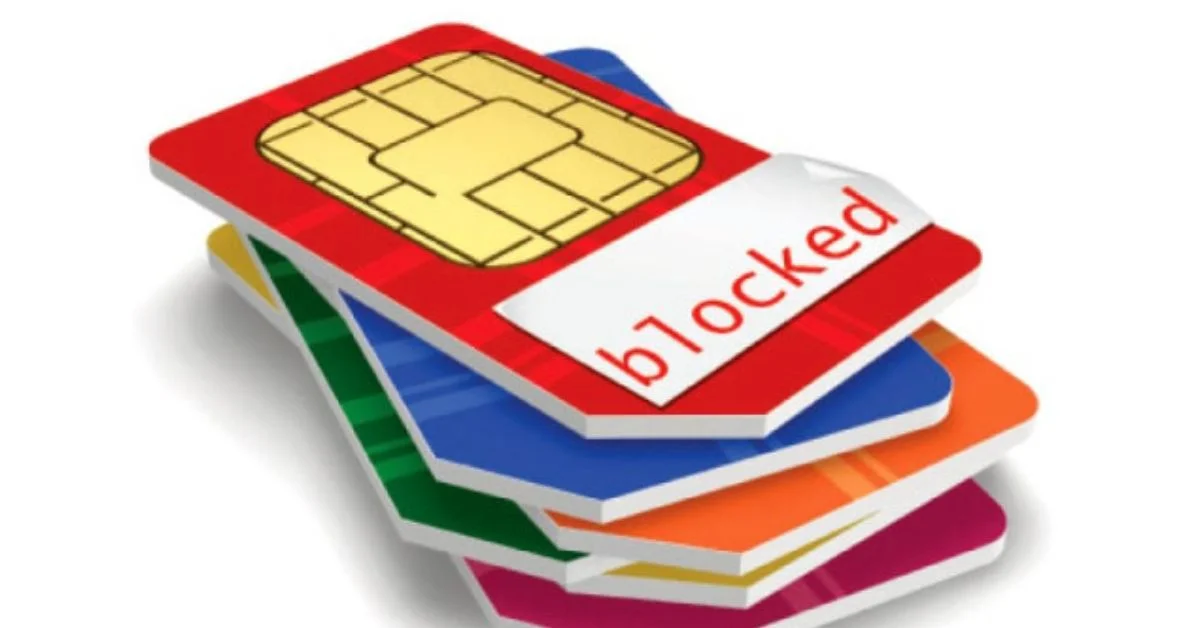
Three months ago, I received a call from my bank’s fraud department. They suspected unusual activity on my account. After investigation, we discovered someone had registered a Zong SIM on my CNIC and was using it for OTP verification to access various services.
This wasn’t an isolated incident. According to PTA’s January 2026 report, over 2.3 million Pakistanis have unauthorized SIMs registered on their CNICs without their knowledge. If you’re reading this, you might be one of them.
How SIMs Get Registered on Your CNIC Without Permission
Understanding how this happens can help you prevent it. Most people think their CNIC is safe, but here are the common ways misuse occurs:
Someone finds your lost CNIC card and uses it to register SIMs at franchises with lax verification. Shop owners or mobile franchise employees make photocopies of your CNIC when you’re buying something and misuse it later. Family members register SIMs on your CNIC without asking, which technically counts as unauthorized use. Data breaches from various companies expose your CNIC details to criminals.
The most concerning trend in 2026 is the use of fake biometric devices at unauthorized shops. These devices can bypass some security checks, though PTA is cracking down heavily on this practice.
Step 1: Check How Many SIMs Are Registered on Your CNIC
Before you can block unauthorized SIMs, you need to know exactly what’s registered in your name. Here’s the definitive process that works in 2026:
Go to the official PTA website, and third party Website Sim Owner Details navigate to their verification portal. The direct link is available on the PTA homepage under “Check Your SIM Status”. You’ll see a form asking for your CNIC number (13 digits without dashes) and your currently active mobile number.
Enter both details carefully. Within 30 seconds, you’ll receive an OTP via SMS to the mobile number you provided. This OTP is valid for only 5 minutes, so enter it quickly in the verification box.
Once verified, the system displays a breakdown showing how many SIMs are registered on your CNIC for each network: Jazz, Telenor, Zong, Ufone, and even SCOM (the new network launched in 2025). You’ll see both active and inactive SIM counts.
Here’s what happened when I checked mine: the system showed 4 Jazz SIMs, 2 Telenor SIMs, and 1 Zong SIM. But I only owned 2 Jazz numbers and 1 Telenor number. That meant I had 3 unauthorized SIMs registered on my CNIC.
Understanding the Results
The PTA system categorizes SIMs into three types: Active SIMs (currently in use with recent activity), Inactive SIMs (issued but not used recently or temporarily blocked), and Suspended SIMs (blocked by the network or PTA for violations).
Many people panic when they see inactive or suspended SIMs on their report. Sometimes these are old numbers you forgot about. Maybe you changed your number years ago, or got a replacement SIM and the old one is still showing in the system.
Don’t immediately assume all extra SIMs are fraud. Think back – did you lose your CNIC? Did you have multiple numbers in the past? Did family members register SIMs when there was an urgent need?
Step 2: Identify Which Specific Numbers Are Registered
The PTA verification only shows you the count, not the actual mobile numbers. To see the specific numbers, you need to visit your network’s customer service center.
For Jazz numbers, download the latest Jazz World app. After logging in with your CNIC verification, navigate to the “My SIMs” section introduced in their December 2025 update. It lists all Jazz numbers registered on your CNIC with activation dates.
For Telenor, use the MyTelenor app and access the “SIM Management” section. It requires biometric verification through your phone if you have a compatible device.
Zong users need to visit a franchise or use their customer portal which requires both CNIC and OTP verification. The Zong website has improved significantly in 2026.
Ufone subscribers can call 333 and request a list of all numbers on their CNIC. The representative will send it via SMS after security verification.
Step 3: Blocking Unauthorized SIMs – The Official Process
Once you’ve identified which SIMs are unauthorized, here’s how to block them permanently. This process has been streamlined in 2026 and now takes 24-48 hours instead of the previous week-long wait.
Visit the franchise of the network where the unauthorized SIM is registered. Bring your original CNIC, a photocopy, and another form of identification like your driver’s license or passport. If you have a police report or FIR about your lost CNIC, bring that too.
At the franchise, tell them you want to block a SIM that was registered on your CNIC without authorization. They’ll ask you to fill out Form SIM-101 (the standard blocking request form). You’ll need to provide the mobile number if you know it, or just your CNIC if you don’t.
The representative will verify your identity using biometric verification. They’ll take your fingerprints and match them against the data in the network’s system. This is crucial – if your fingerprints don’t match what’s in their system, it confirms the SIM was registered fraudulently.
You’ll receive a token number and a reference ID. Save these carefully. The SIM will be blocked within 24 hours, and you’ll receive a confirmation SMS on your registered number.
Alternative Method: Online Blocking (Limited Networks)
Jazz launched an online blocking feature in January 2026. Through the Jazz World app, you can now block unauthorized Jazz SIMs without visiting a franchise.
Open the Jazz World app and go to “Security Center”. Select “Block Unauthorized SIM”. You’ll see all Jazz numbers registered on your CNIC. Select the ones you want to block and submit the request with biometric verification through your phone.
This generates a case ID. Jazz’s security team reviews these requests within 12 hours. If approved, the SIM is blocked immediately. If they need more information, you’ll receive a call from their fraud department.
Telenor is testing a similar feature in selected cities as of early 2026, but it’s not available nationwide yet. Zong and Ufone still require franchise visits for blocking requests.
What Happens After Blocking
Many people worry that blocking a SIM might affect their legitimate numbers. Let me clarify what actually happens:
The blocked number becomes permanently deactivated and cannot be used for calls, SMS, or data. The number is removed from the active SIM count on your CNIC. If the unauthorized SIM was used for illegal activities, the network maintains records for law enforcement.
Your other legitimate SIMs continue working normally without any disruption. Some networks add a security note to your CNIC profile indicating you’ve reported fraud, which makes it harder for future misuse.
Filing an FIA Complaint (When You Should Do This)
If you discover that the unauthorized SIM was used for criminal activities, financial fraud, or harassment, you must file an FIA Cybercrime complaint. This is separate from the network blocking process.
Visit your nearest FIA Cybercrime wing or file an online complaint at the FIA’s official portal. Bring documentation showing the unauthorized SIM registration, your CNIC, and any evidence of misuse like transaction records or threatening messages.
The FIA complaint serves two purposes: it protects you legally in case the unauthorized SIM was used for crimes, and it helps authorities track down the people responsible for CNIC fraud.
In my case, I filed an FIA complaint because the unauthorized Zong number was used to create fake social media profiles in my name. The FIA tracked the usage patterns and found it originated from a mobile shop in Rawalpindi that was involved in organized CNIC fraud.
Preventive Measures to Protect Your CNIC
After dealing with this situation, I implemented several security measures that I recommend to everyone:
Never give your original CNIC to shopkeepers or salespeople. If they need verification, let them see it but don’t let them make copies. For official purposes like bank accounts or SIM registration, only go to authorized centers yourself.
Register for PTA’s CNIC monitoring service. They launched this in late 2025 – you receive SMS alerts whenever a new SIM is activated on your CNIC. This way you’ll know within 24 hours if someone tries to misuse your CNIC.
Check your CNIC status every 3 months using the PTA portal. Make it a routine like checking your bank statements. Keep photocopies of your CNIC at home and mark them “Copy – Not for SIM Registration” to prevent misuse if someone finds them.
Special Cases: Family SIMs and Shared Accounts
Sometimes the “unauthorized” SIMs aren’t really fraudulent. Maybe your parents registered a SIM on your CNIC during an emergency. Or your spouse got a number under your name when you were abroad.
Before blocking these SIMs, communicate with family members. If they are using those numbers legitimately, you can keep them active but ask the family member to transfer ownership to their own CNIC.
The ownership transfer process takes 2-3 days and requires both parties to visit the franchise together with their CNICs. Since 2026, PTA regulations require all SIMs to be registered under the actual user’s CNIC, not someone else’s.
Common Mistakes People Make
Many people block all SIMs they don’t recognize without checking properly. I’ve seen cases where someone blocked their old number that was still used for bank alerts, causing banking issues.
Others forget to update their information after blocking unauthorized SIMs. If those SIM numbers were linked to your social media accounts, email addresses, or bank accounts, update those services immediately. The blocked number might get reassigned to someone else after 90 days.
Some people think that once they’ve blocked a SIM, they’re completely safe. But if your CNIC details are compromised, the same person might try registering new SIMs. You need to stay vigilant and check your status regularly.
The Bigger Picture: Why This Matters
CNIC fraud and unauthorized SIM registration isn’t just an inconvenience – it’s a serious security risk. These SIMs can be used to access your bank accounts through OTP codes, create fake profiles impersonating you, conduct illegal activities that get traced back to your CNIC, or harass people while making it look like you’re responsible.
The PTA has taken significant steps in 2026 to prevent this, including mandatory biometric verification at all franchises and surprise audits of mobile shops. But criminals always find new methods, which is why individual vigilance remains crucial.
My Final Recommendation
Set a quarterly reminder on your phone to check your CNIC status on the PTA portal. It takes only 2 minutes and could save you from serious legal and financial trouble. If you discover unauthorized SIMs, don’t panic – follow the systematic approach I’ve outlined above.
The blocking process is much smoother in 2026 than it was in previous years. Most cases are resolved within 48 hours if you have proper documentation. And remember, blocking unauthorized SIMs is your legal right – network franchises cannot refuse your request if you provide proper identification.
Stay safe, stay vigilant, and protect your digital identity as carefully as you protect your physical belongings.
 SIM OWNER DETAILS
1 thought on “How to Check and Block Unauthorized SIMs Registered on Your CNIC in Pakistan 2026”